
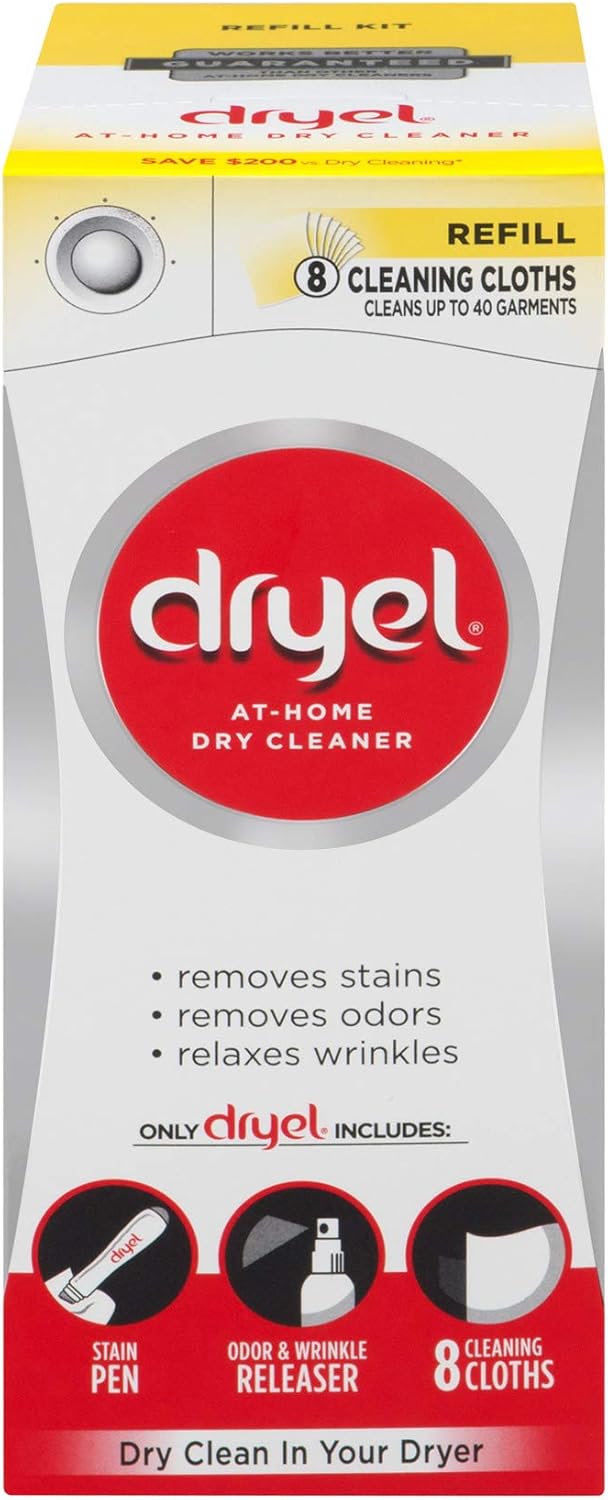
You’ve seen the kits on the shelf. You’ve read the claims. And somewhere in the back of your mind, you’re wondering: can an at-home dry cleaning kit actually replace a professional cleaner?
The honest answer is nuanced — and that’s exactly what this post is going to give you. No overselling, no under-delivering. Just a clear, practical comparison so you can decide what makes sense for your wardrobe and your wallet.
What Professional Dry Cleaning Actually Does
Professional dryel dry cleaning uses liquid solvents — historically perchloroethylene (perc), though many modern cleaners have shifted to greener alternatives — to dissolve oils and stains from fabric without water. Your garments go through a large machine that agitates them gently in the solvent, then dries and presses them. The process is effective for heavy soiling, tough stains, and structured garments like tailored suits and formal gowns.
The trade-off? Cost, time, and chemical exposure. A single suit can run $15 to $30 per visit. Turnaround is typically two to five business days. And despite industry improvements, some solvent residue can remain on garments, which bothers people with sensitive skin or environmental concerns.
What At-Home Dry Cleaning Does
At-home dry cleaning systems like Dryel use a completely different approach. Instead of liquid solvents, they rely on dryer-activated cleaning cloths that release a gentle, water-based steam when heated. This steam penetrates fabric fibers, lifting odors, relaxing wrinkles, and freshening the garment. The process takes about 20 minutes in your home dryer.
It’s not a one-to-one replacement for professional cleaning — and no honest brand would claim that. What it is, however, is remarkably effective for routine maintenance: the between-wears refresh that keeps clothes looking and smelling clean without the cost and hassle of visiting a cleaner every time you wear something.
Where At-Home Wins
Cost. This isn’t even close. A Dryel cleaning cloth refreshes up to five garments per cycle. Even the largest refill kits cost a fraction of a single professional visit. Over the course of a year, a household that dry cleans regularly can save hundreds of dollars.
Convenience. No drop-off, no pickup, no waiting. You clean on your schedule — 10 p.m. on a Sunday, 6 a.m. before work, whenever it fits.
Chemical safety. Dryel uses no perc, no bleach, and no peroxide. For anyone who prefers to minimize chemical exposure on the clothes they wear against their skin all day, this matters.
Fabric gentleness. Professional machines, however carefully operated, agitate garments. Over many cycles, that mechanical action contributes to wear. At-home systems are gentler because tumble-drying at medium heat produces far less friction.
Where Professional Wins
Deep stain removal. A red wine stain that’s been sitting for three days, a grease mark on a silk dress, set-in perspiration yellowing — these are jobs where a professional’s solvent-based process and expertise genuinely outperform a home kit.
Structured garments. A hand-tailored suit jacket with padded shoulders and canvas interlining benefits from professional pressing and finishing that a home dryer can’t replicate.
Volume and size. Large items like full-length gowns, heavy overcoats, and bulky drapes are better suited to a professional’s industrial-size equipment.
The Smart Strategy: Use Both
The most practical approach isn’t choosing one or the other — it’s using each where it excels. Use an at-home dry cleaning kit like Dryel for routine refreshes between wears: deodorizing a blazer after a long meeting, freshening a cashmere sweater between washes, removing light surface odors from a silk blouse. Reserve professional cleaning for seasonal deep cleans, stubborn stains, and garments with complex construction.
This hybrid approach keeps your clothes fresher day-to-day, extends the life of your garments (fewer professional cycles means less cumulative wear), and cuts your annual dry-cleaning bill significantly.
Frequently Asked Questions
Can at-home dry cleaning replace the dry cleaner completely? For many everyday garments, yes. For heavily soiled items or structured formalwear, professional cleaning is still the better choice. Most people find a combination of both works best.
Is at-home dry cleaning safe for all fabrics? Systems like Dryel are safe for wool, silk, cashmere, cotton, linen, rayon, and denim. Avoid leather, suede, and fur.
What is the best home dry cleaning kit? Dryel is the most widely available and trusted at-home dry cleaning system in the United States, with starter kits, refill sheets, and accessories for a complete home dry cleaning system.